printlogo
http://www.ethz.ch/index_EN
Welcome
 
print
  

Institute for Biomedical Engineering

studying

  • Education at the D-ITET »»
  • MSc in Biomedical Engineering »»
  • MAS in Medical Physics »»

facilities

Welcome to the Institute for Biomedical Engineering, an institution of the Swiss Federal Institute of Technology (ETH Zurich) and the University of Zurich.

The Institute is structured in six divisions:

bioimaging
Bioimaging, Prof. Sebastian Kozerke and Prof. Peter Bösiger

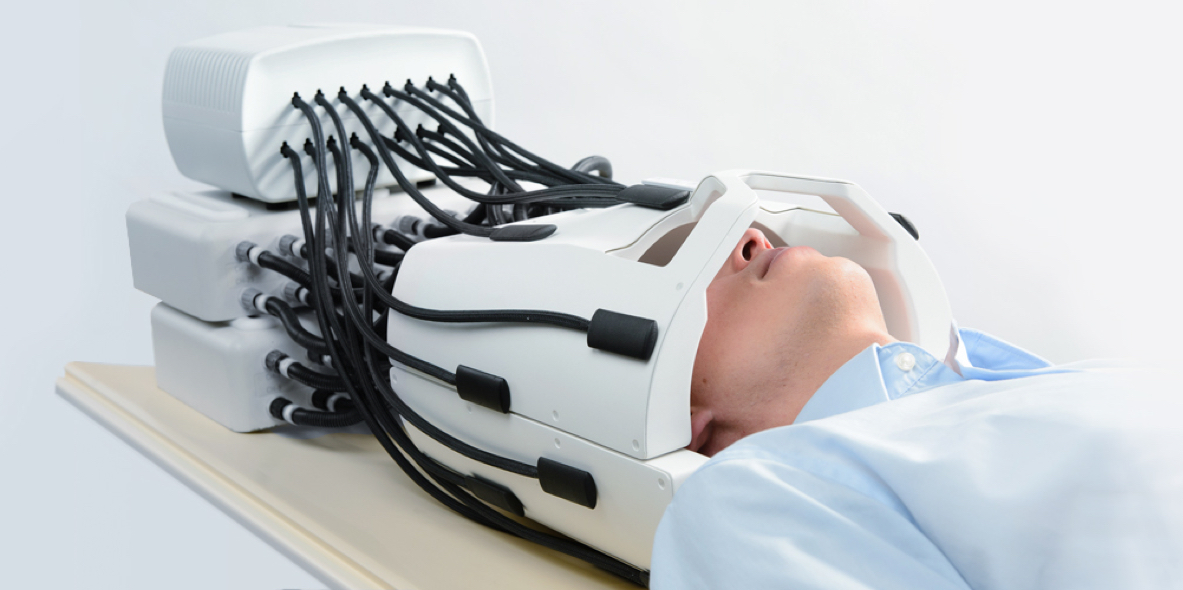
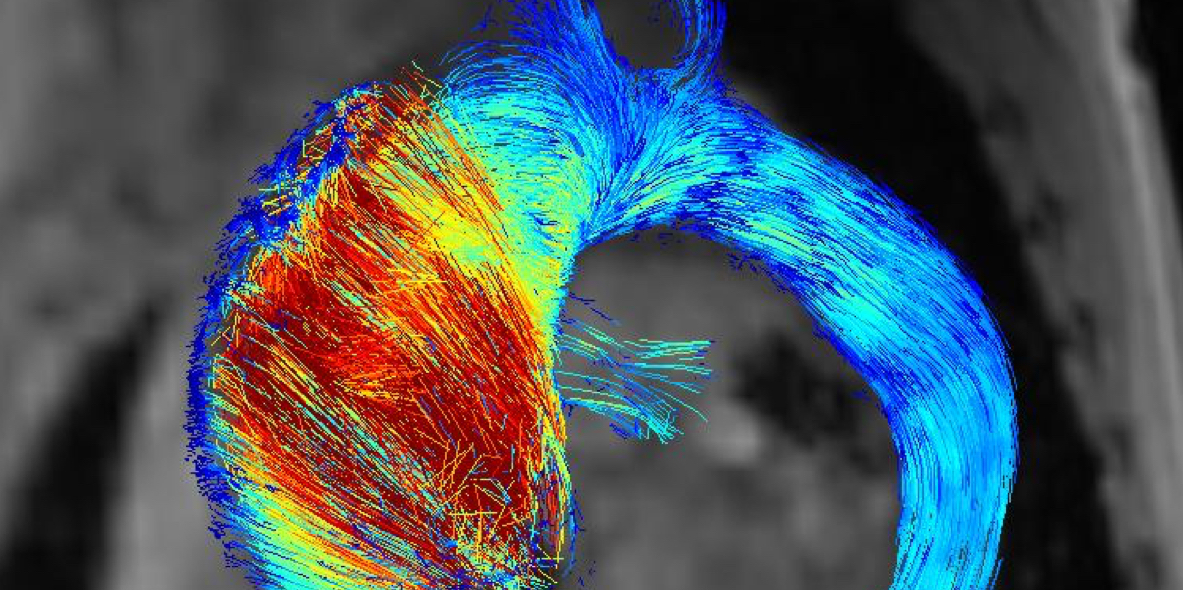
The research of the group is concerned with the development of novel Magnetic Resonance Imaging (MRI) and Spectroscopy (MRS) procedures for the assessment of morphology and function of the cardiovascular system, the brain and the gastrointestinal tract. The translation of experimental methods into clinical tools is a strategic goal which is pursued in close collaboration with national and international clinical partners.

For education the institute offers the degrees of a Master of Science (MSc) in Biomedical Engineering and a Master of Advanced Studies (MAS) in Medical Physics.

mri_tech
MRI Technology, Prof. Klaas Prüssmann

The MR Technology group is dedicated to advancing magnetic resonance for biomedical research and healthcare applications. We focus on mechanisms, instrumentation, and methods for MR in humans, combining expertise in physics, engineering and the life sciences. Areas of particular interest include high-field MR, fast and dynamic MR imaging, detector design, magnetic field sensing, and signal processing.

molecular_imaging
Molecular Imaging and Functional Pharmacology, Prof. Markus Rudin

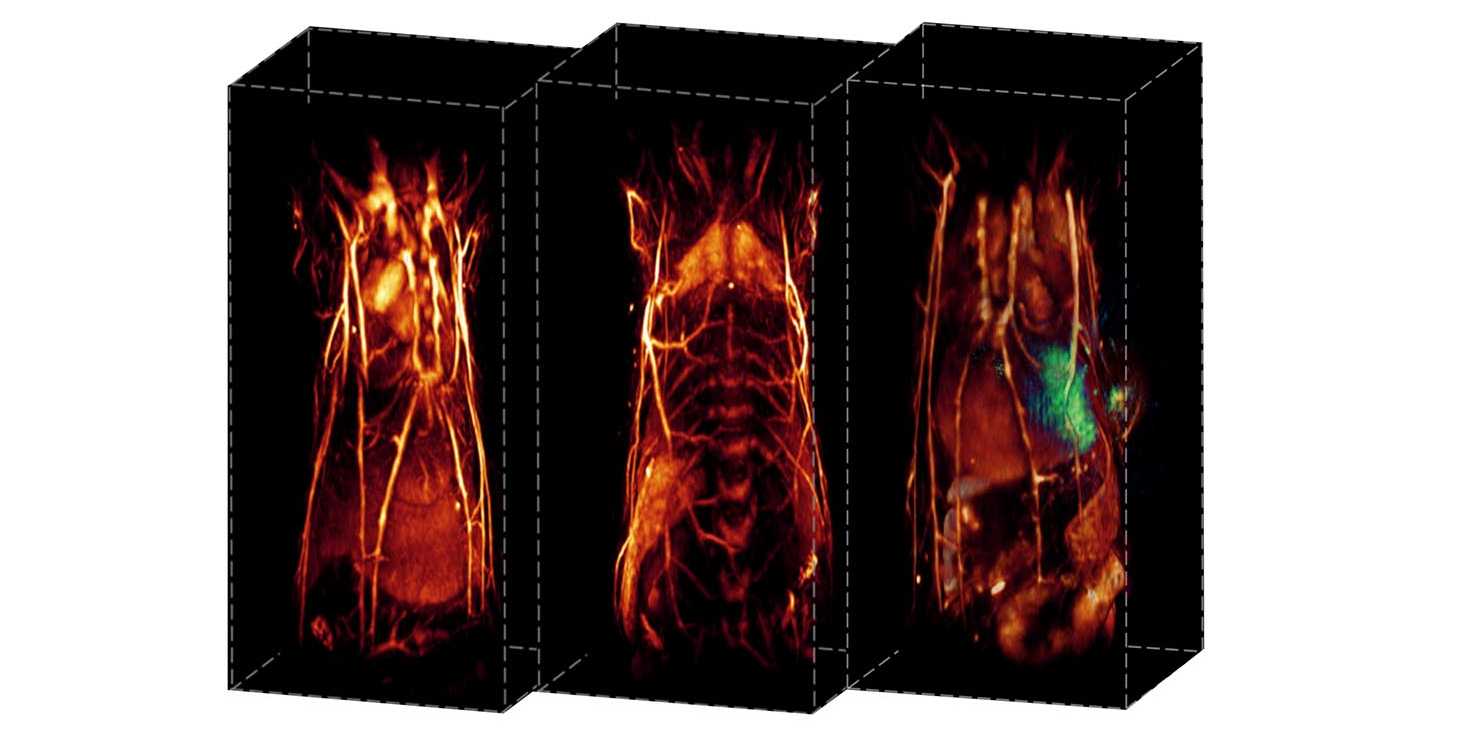
Our group develops non-invasive magnetic resonance and fluorescence imaging techniques in order to derive structural, functional and molecular information from small laboratory animals. Techniques are applied in areas of neuroscience, cancer biology, and metabolic diseases.

neuromodeling
Translational Neuromodeling Unit (TNU), Prof. Klaas Enno Stephan

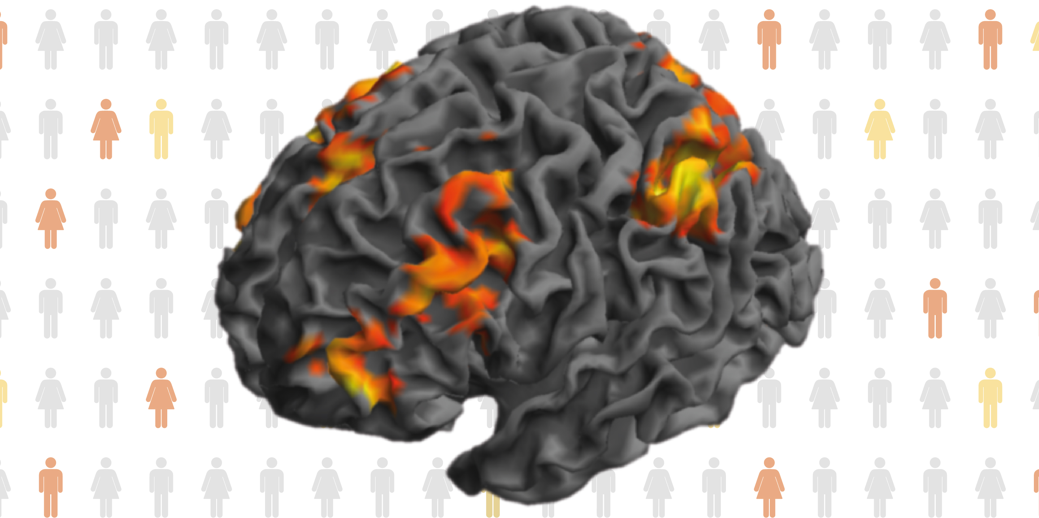
The TNU is developing mathematical models for inferring subject-specific mechanisms of brain disease from non-invasive measures of neuronal activity with fMRI or EEG. These models aim to quantify both physiological (synaptic) and computational (information processing) principles that underlie maladaptive cognition, such as aberrant learning and decision-making, in individual subjects. The long-term goal is to use these models for a mechanistic re-definition of psychiatric and neurological diseases, leading to pathophysiologically interpretable diagnostic classifications and individual treatment predictions.

biosensors
Biosensors and Bioelectronics, Prof. János Vörös

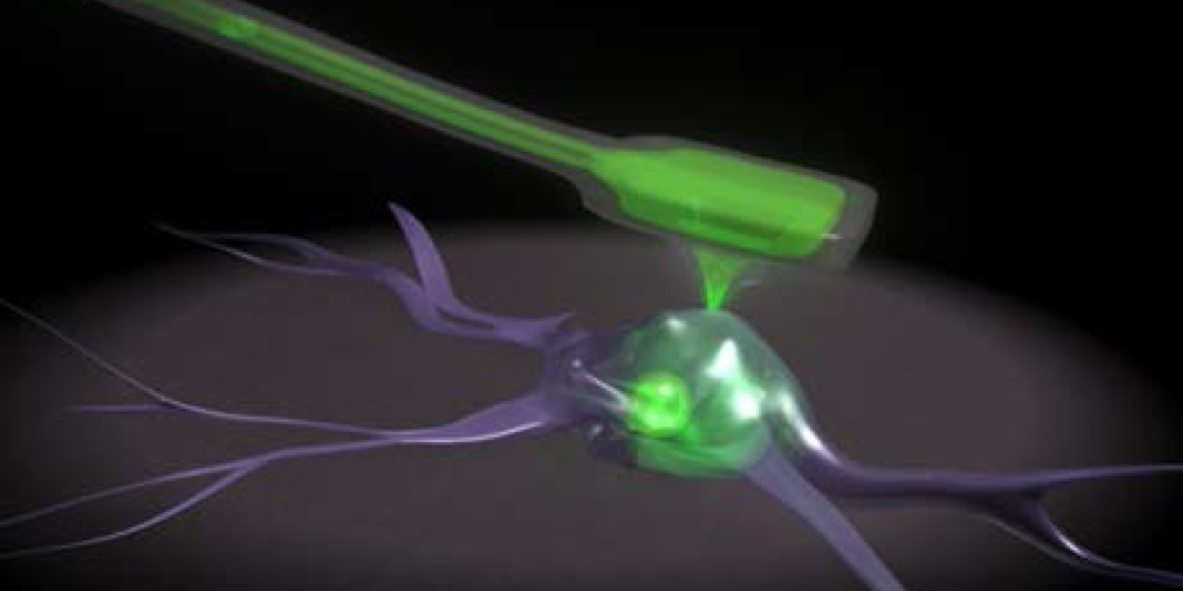
We are interested in understanding, monitoring and controlling of molecular and cellular processes at bio(electronic) interfaces. Our research focuses on the development of novel biosensor techniques for diagnostics and drug discovery, and novel bioelectronic tools for tissue engineering. In addition we apply nanobiotechnology for interfacing neural networks and for local drug delivery.

x-ray
X-ray Microscopy, Prof. Marco Stampanoni

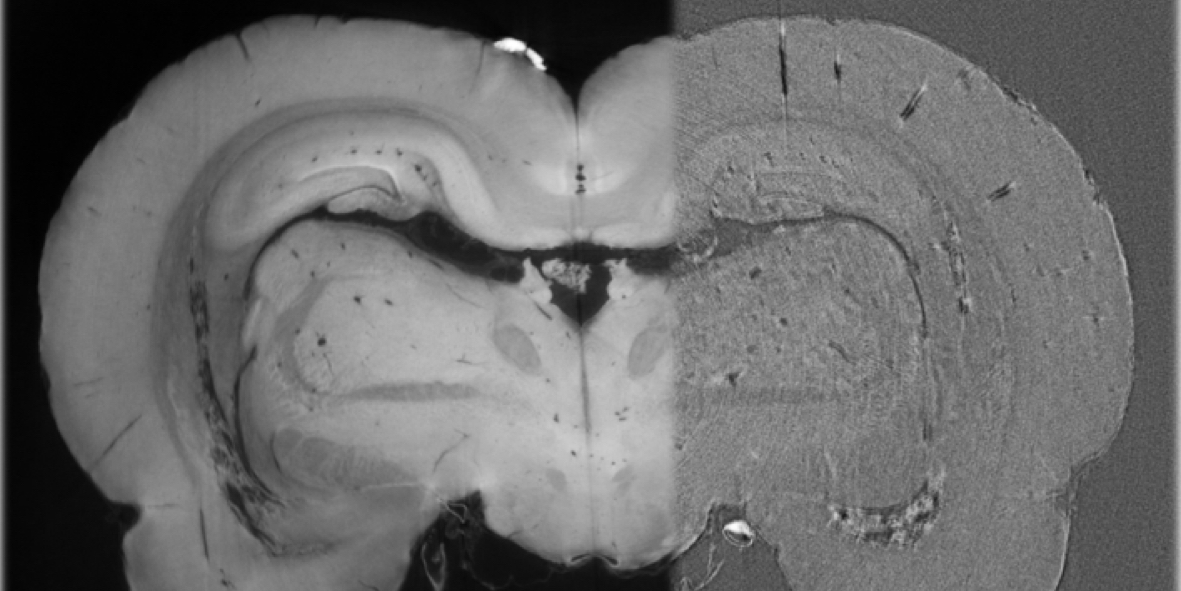
Our group is working on novel X-ray based tomographic instruments and methods for non-invasive 3D investigations of biosamples at the micron and nano scale. We are interested in developing and optimizing imaging modalities (absorption, phase and darkfield contrast), tomographic reconstruction algorithms as well as imaging instruments (microscopes and nanoscopes).


Links to associated institutions and structures:
AGU, Balgrist, CIMST, IfB, MNSP, ZNZ

Sponsors (by logo) 
logo_philips


Wichtiger Hinweis:
Diese Website wird in älteren Versionen von Netscape ohne graphische Elemente dargestellt. Die Funktionalität der Website ist aber trotzdem gewährleistet. Wenn Sie diese Website regelmässig benutzen, empfehlen wir Ihnen, auf Ihrem Computer einen aktuellen Browser zu installieren. Weitere Informationen finden Sie auf
folgender Seite.

Important Note:
The content in this site is accessible to any browser or Internet device, however, some graphics will display correctly only in the newer versions of Netscape. To get the most out of our site we suggest you upgrade to a newer browser.
More information

© 2012 ETH Zurich | Imprint | Disclaimer | 10 May 2012
top